



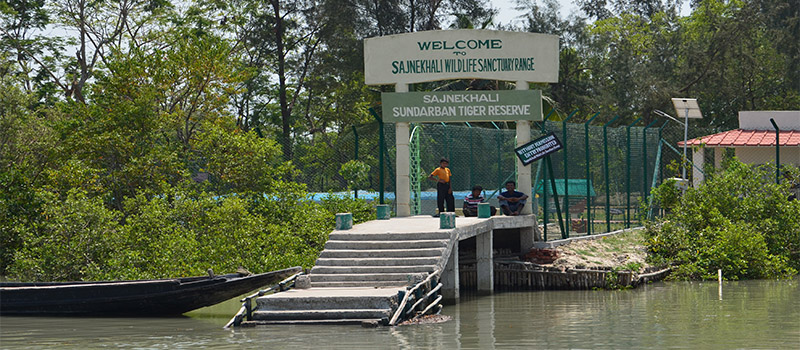
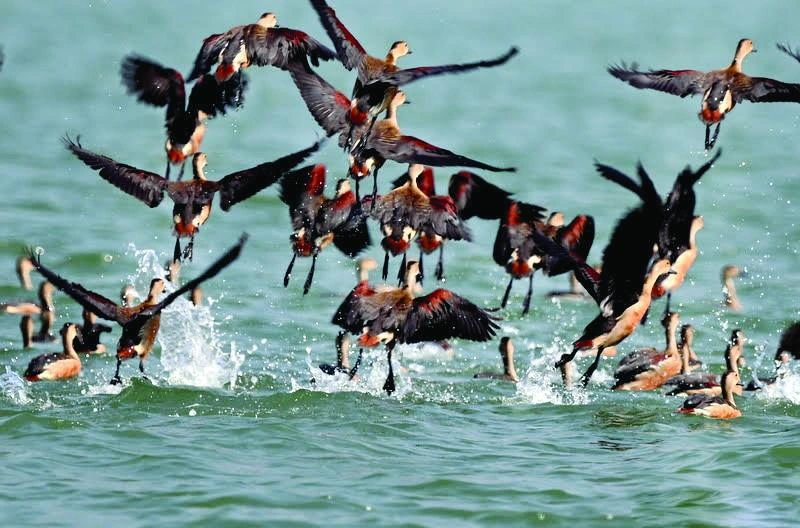
Sundarbans National Park is one of India’s most famous wildlife destinations and the largest mangrove forest in the world. Located in the southern part of West Bengal, the park forms part of the Sundarbans delta shared between India and Bangladesh. It is renowned for its population of Royal Bengal Tigers, dense mangrove forests, winding waterways, and rich biodiversity. The park is also a UNESCO World Heritage Site and an important biosphere reserve.
Point of Attractions
- Royal Bengal Tiger sightings
- Dense mangrove forests and river channels
- Boat safari through tidal creeks
- Sajnekhali Bird Sanctuary
- Sudhanyakhali Watch Tower
- Dobanki Canopy Walk
- Netidhopani Watch Tower
- Bhagabatpur Crocodile Project
- Birdwatching and dolphin spotting
- Beautiful sunrise and sunset views over the waterways
Facilities
Visitors at Sundarbans National Park can access several tourist facilities for a comfortable wildlife experience:
- Guided boat safari services
- Forest guides and permits
- Watch towers for wildlife viewing
- Eco-tourism lodges and resorts nearby
- Basic food and drinking water facilities
- Birdwatching points
- Rest areas at tourist zones
- Parking facilities near entry points
- Tour packages from Kolkata and Gosaba
- Photography opportunities throughout the reserve
Best in the Zoo / Park
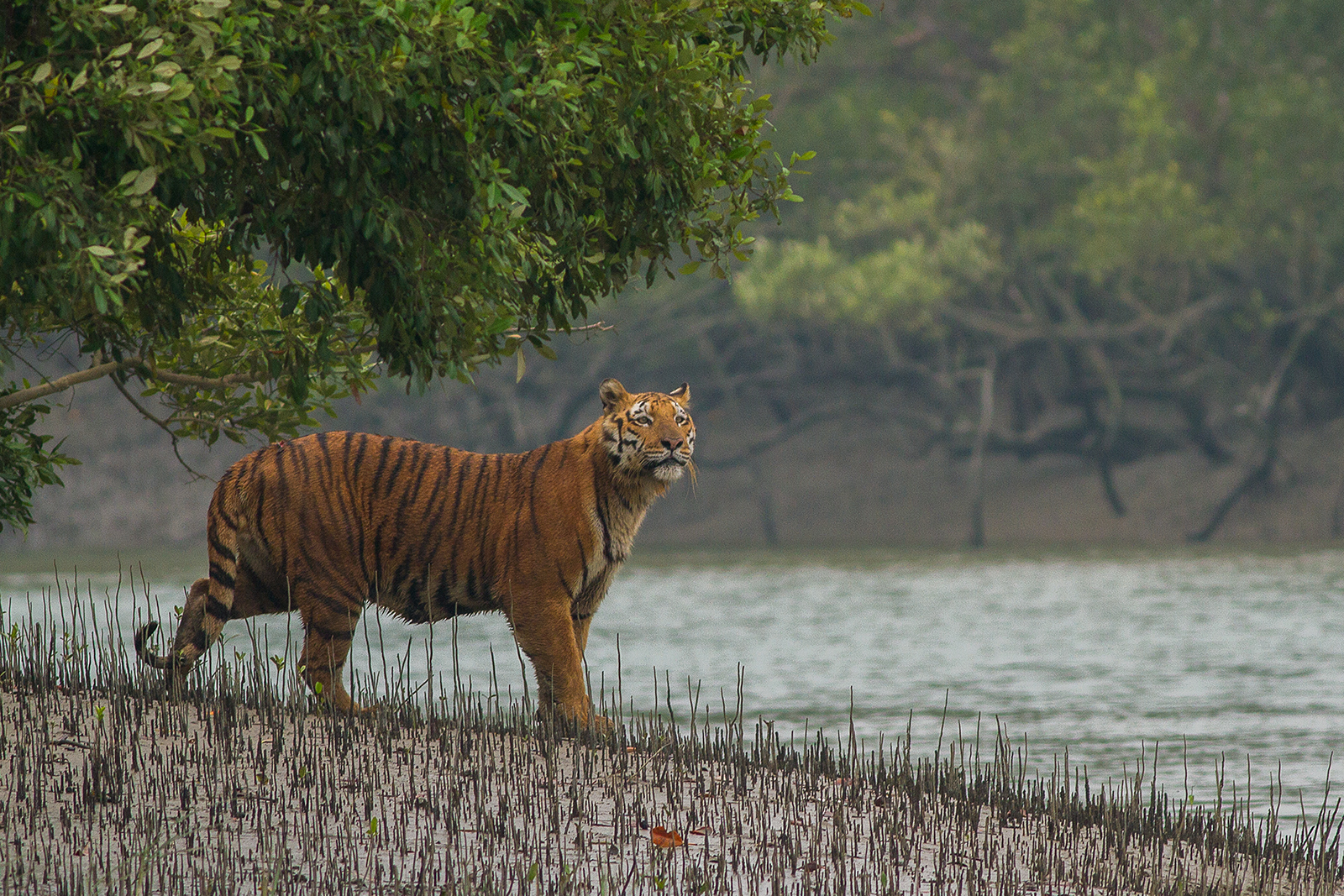
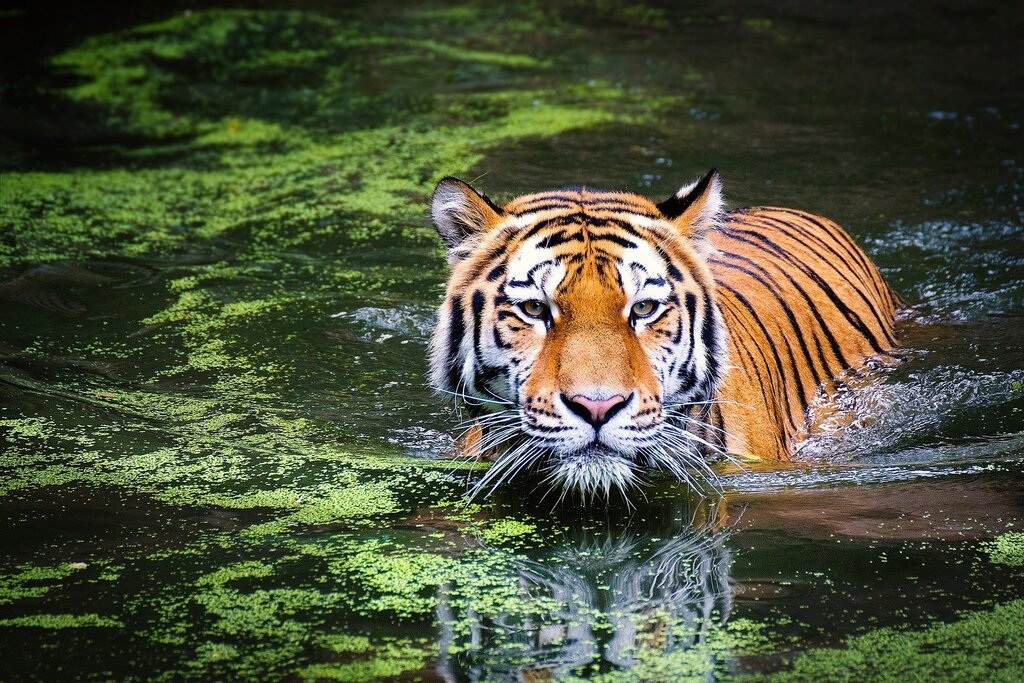
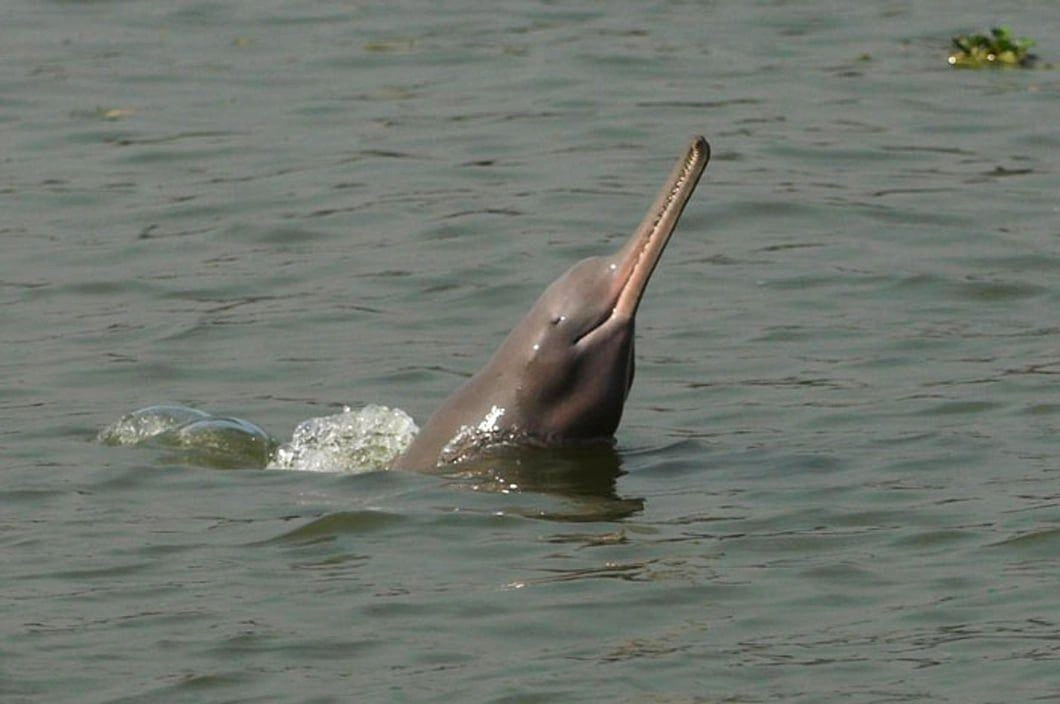
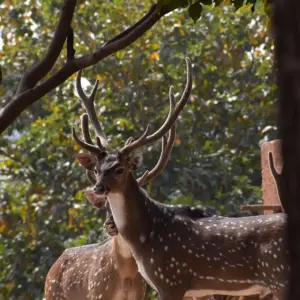
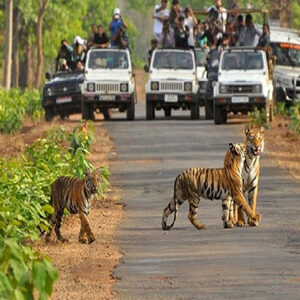
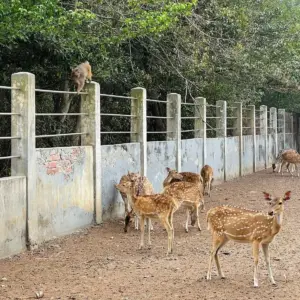
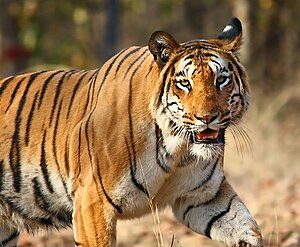
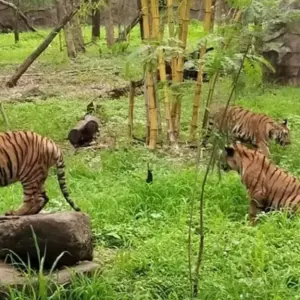
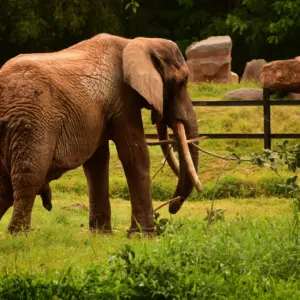
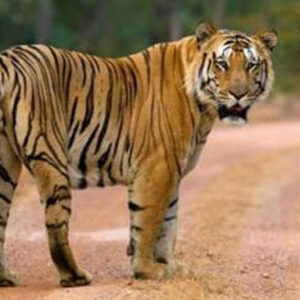
The biggest attraction of Sundarbans National Park is the majestic Royal Bengal Tiger, which is specially adapted to survive in mangrove habitats. Apart from tigers, visitors may also spot estuarine crocodiles, fishing cats, spotted deer, monitor lizards, kingfishers, sea eagles, and the rare Ganges River Dolphin. The park is also a paradise for birdwatchers because of its large variety of migratory and resident birds.
Wildlife Found in Sundarbans
- Royal Bengal Tiger
- Estuarine Crocodile
- Fishing Cat
- Water Monitor Lizard
- Ganges River Dolphin
- Spotted Deer
- Kingfishers and Migratory Birds
Best Time to Visit
The ideal time to visit Sundarbans National Park is from October to March when the weather remains pleasant and wildlife sightings are more frequent. Summers can be hot and humid, while monsoon seasons bring heavy rainfall and limited safari operations.












 No products in the cart.
Reviews
There are no reviews yet.